About the Foundation
The Somerset Place Foundation is a 501 (c) (3) non-profit organization which raises funds to support Historic Somerset Place State Historic Site’s mission and programs. Programs include individual and group tours by expertly trained interpreters as well as informative signage for self-guided explorations of the site, and special events in each season.
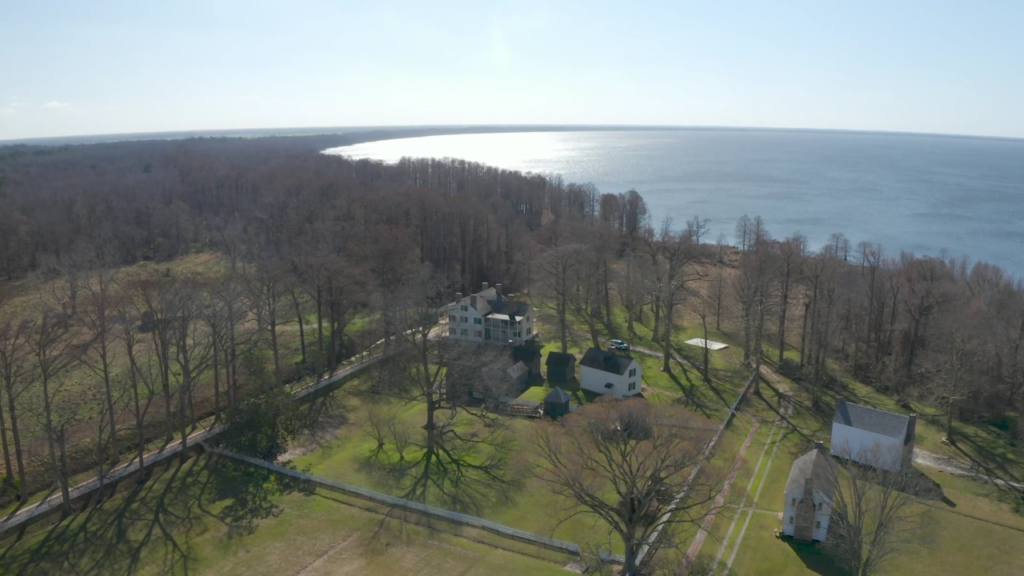
Visitors to Somerset Place are provided a realistic view of 19th-century life on a large North Carolina plantation. Originally, the property included more than 100,000 densely wooded, mainly swampy acres bordering Lake Phelps, the second largest natural lake in NC. Owners profited as the swamp was drained and the rich soil converted to farmland. During its 80 years as an active plantation (1785-1865), hundreds of acres yielded rice, corn, oats, wheat, beans, peas, and flax, and sophisticated sawmills turned out thousands of feet of lumber. By 1865, Somerset Place was one of the upper South’s largest plantations.
From Somerset’s earliest days through the end of the Civil War, people of different races and legal and economic status lived on the property. A labor force of almost 200 men, women, and children was assembled before 1790. They were black and white, enslaved and free. Over the life of the plantation, three generations of owners, around 50 white employees, two free black employees, and more than 861 enslaved people lived and worked on the plantation.
By the mid-19th century, more than 50 buildings were clustered on the northeast rim of Lake Phelps, serving as the industrial complex and residential community. Included were barns, saw and gristmills, stables, a hospital, an Episcopal chapel, a kitchen complex, and 26 houses for members of the enslaved community. Homes for overseers, tutors, ministers, and the owner’s family—along with a kitchen/laundry, dairy, storehouse, and smoke and salting houses—also stood here.
With the end of the Civil War, Somerset Place entered a new era. Nearly all the emancipated black families left the plantation by the end of 1865. The financially crippled owners eventually sold and left the property, never to return. The plantation itself remained functioning through 1945, but it was never profitable without enslaved labor. Today, this unique historic attraction is one of two North Carolina plantations preserved as state historic sites and open to the visiting public. Your contribution to Somerset Place Foundation helps ensure that the whole story continues to be told.
Board of Directors

Deborah Reid Murphy, Board President, has a long-standing interest in American history, rooted in her undergraduate and graduate work at the University of Virginia and Duke University, respectively. She served on the Foundation board when her mother, Dorothy Spruill Redford, led its formation in the early 90’s. Deborah returns after a decades-long sabbatical, to help expand Somerset’s reach to descendant families and to further the site’s historical significance.